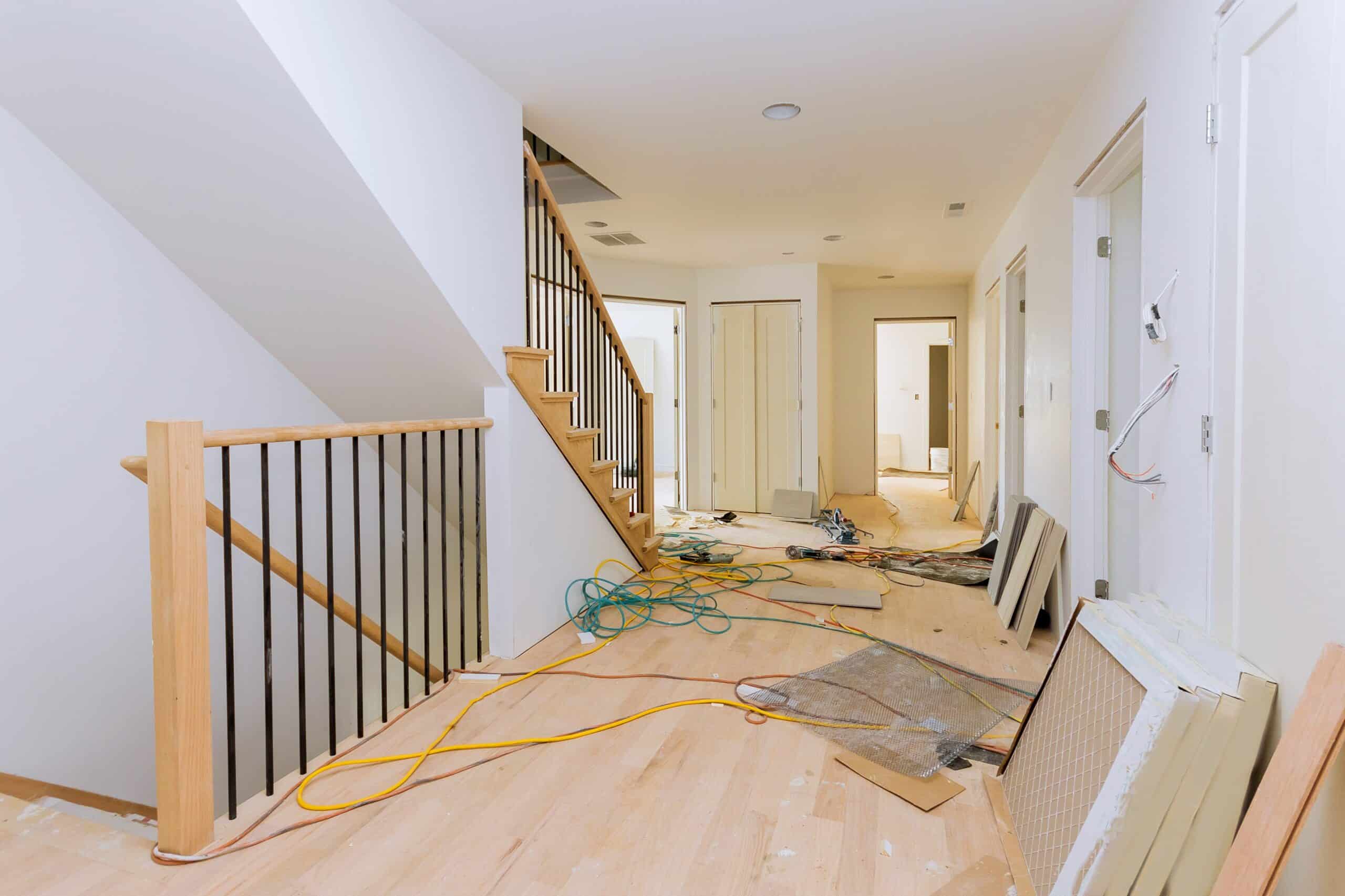
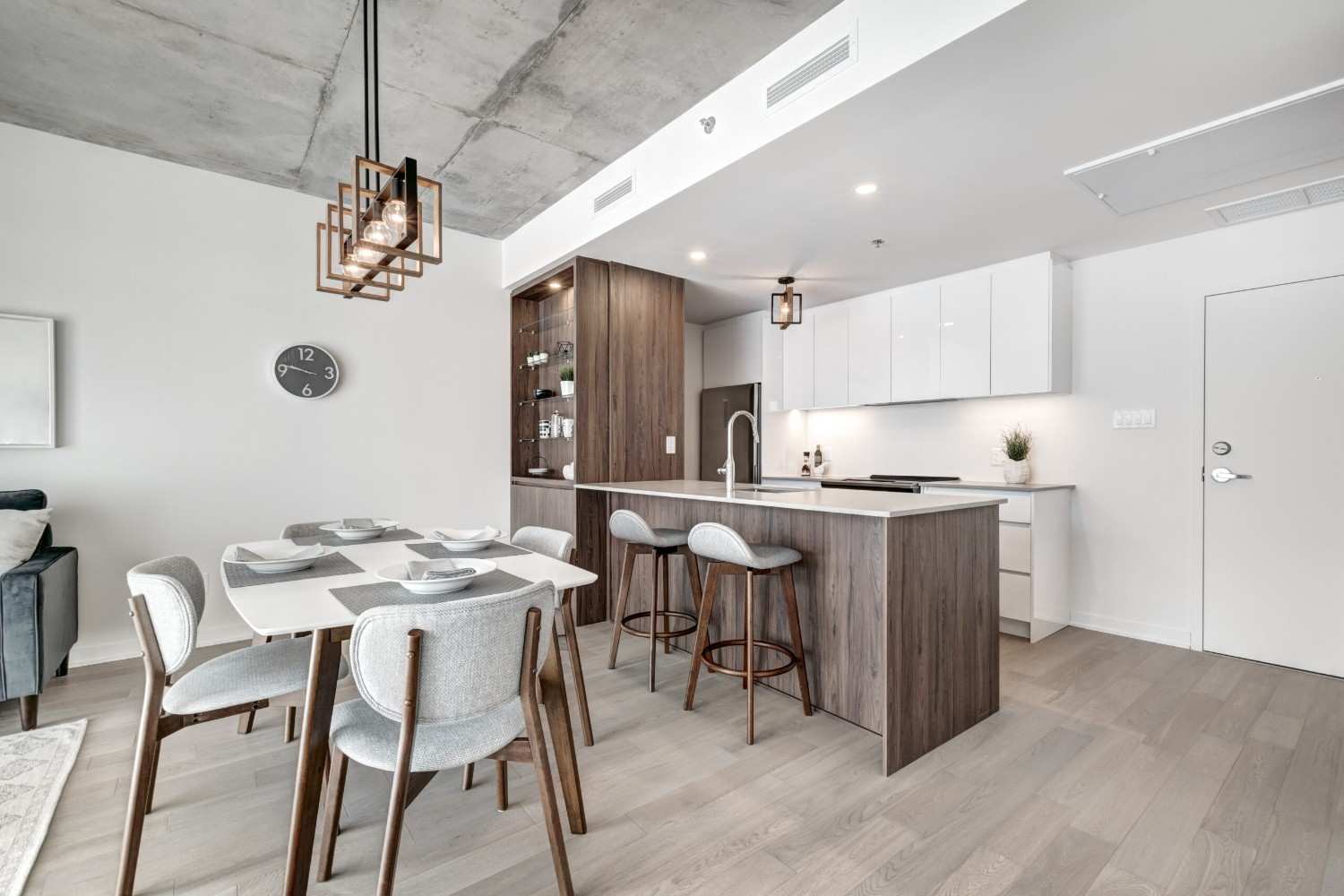
Finishing a basement is exciting. The extra space, the cleaner layout, the feeling that you finally did something with that dark storage zone.
But the second you say the words “basement apartment” in Toronto or the GTA, it stops being just a renovation project and turns into a legal and safety project too.
And that’s not meant to scare you. It’s just reality here. If you want a unit you can actually rent out, insure, and sleep at night over, you need to treat it like a proper second suite build, not a DIY makeover with a kitchenette.
So here’s a practical checklist you can walk through before you start, while you’re planning, and again before you rent it.
1. First question. Can you legally have a second suite here?
Before you draw floor plans or buy flooring, confirm the basics:
- Your property type: Detached, semi, townhouse. (Most are eligible, but don’t assume.)
- Zoning and permitted use: In many GTA municipalities, second suites are generally allowed, but rules still vary.
- Any special restrictions: Conservation areas, heritage designations, some site specific zoning rules, etc.
How to verify:
- Check your municipality’s second suite page (Toronto calls them “secondary suites”).
- Or call 311 (Toronto) or your local building department and ask directly.
This is also where people get tripped up by the phrase “legal basement.” A basement unit is “legal” when it meets applicable zoning and building code requirements and is permitted where required. Not because it has a tenant already. Not because your neighbor has one.
2. Permits. Do not skip this part
If you’re adding a kitchen, creating new rooms, moving plumbing, changing exits, modifying windows, or doing any structural work, you’re very likely in permit territory.
Typical permits involved:
- Building permit (the big one)
- Plumbing permit (new drains, water lines, backwater valve work)
- Electrical (ESA notifications and inspections, usually through a licensed electrician)
- HVAC (if you’re changing ducting, adding systems, altering venting)
Skipping permits can come back later in very expensive ways. Problems selling. Problems with insurance. Tenant complaints that trigger inspections. Or you open a wall later and realize nothing was done to code.
If you want the process to feel less chaotic, it helps to work with a contractor who’s used to permitted basement builds in Toronto and the GTA. Reno Rocket does this type of work as part of their basement renovation projects, and having someone manage drawings, permit scope, and inspections is honestly half the battle.
3. Fire safety and separations (this is where “legal” really lives)
A basement apartment must be built to limit fire spread and allow safe escape.
You’ll typically be dealing with:
- Fire rated drywall assemblies between units (and sometimes ceilings)
- Fire stopping around penetrations (pipes, wires, ducts)
- Proper doors where required (sometimes self closing, rated, depending on design)
- Smoke alarms and CO alarms in the right locations, with the right power source and interconnection rules (this is not a “stick one on the ceiling” situation)
This is one of the biggest reasons basement units fail inspections, because it’s not always obvious after everything is finished. It has to be built correctly behind the paint.
4. Exits and egress windows
Your tenant needs a safe way out. Usually that means:
- A proper exit route to an exterior door, and/or
- Egress compliant windows in bedrooms (size and opening requirements matter)
Many basement bedrooms look fine but don’t meet egress because the window is too small, too high, or opens too little. Sometimes the fix is a bigger window. Sometimes it’s a window well. Sometimes it’s reworking the layout.
Also worth noting. If you’re planning separate entrance work, that can affect grading, stairs, guards and handrails, and sometimes even lot coverage type considerations. Get it checked early.
5. Ceiling height. Measure it properly
Ceiling height is another common deal breaker.
Don’t eyeball it. Measure from finished floor to finished ceiling. Then remember you might be adding:
- Subfloor
- Flooring
- Drywall on ceiling
- Soundproofing assemblies
- Bulkheads for ducts and beams
If you’re borderline, the design has to work around it. Sometimes you need to relocate ductwork. Sometimes underpinning is considered. Sometimes you accept that the basement is finished space, but not a legal rental suite. Better to know before you spend the money.
6. Plumbing and flood protection (especially in older Toronto homes)
Basements in the GTA get water. Sometimes it’s dramatic, sometimes it’s slow and gross.
Things to discuss early:
- Backwater valve (often recommended, sometimes required depending on scope)
- Sump pump (if applicable)
- Floor drain locations and condition
- Separate shutoffs and access panels for service
- Laundry placement and venting
And if you’re adding a bathroom, confirm the drain elevations. You don’t want to discover you need a sewage ejector after framing is done. That’s a bad day.
7. Electrical and heating. Separate systems are not always required, but comfort is
Legal requirements aside, tenants will hate a unit that’s freezing in winter and boiling in summer.
Plan for:
- Sufficient electrical capacity (panel space, load calculation)
- Proper kitchen circuits, bathroom circuits, AFCI or GFCI where required
- Heating distribution that actually works downstairs
- Ventilation in kitchen and bathroom
- Noise control around mechanical rooms
If you’re doing separate thermostats or zone control, plan it now. Retrofitting later is painful.
Basement Apartment Legal Checklist (print this part)
- Confirm second suite is permitted for your property and area
- Decide scope and apply for required permits
- Design fire separations, alarms, and CO protection correctly
- Confirm exit strategy and egress windows for bedrooms
- Verify finished ceiling height will meet requirements
- Plan plumbing with backwater protection and service access
- Ensure electrical capacity, safe circuits, and ventilation
- Build in soundproofing so the unit is actually livable
- Check parking and local property standards bylaws
- Pass inspections and keep all documentation before renting
If you go through that list carefully, you don’t just end up with a nicer basement. You end up with a unit you can rent confidently, and one that holds up under real scrutiny. Which is the whole point.
FAQs (Frequently Asked Questions)
Can I legally create a basement apartment or second suite in Toronto or the GTA?
Before starting your basement renovation, confirm if your property type (detached, semi, townhouse) is eligible and check zoning and permitted use rules in your municipality. Some areas may have special restrictions like conservation zones or heritage designations. Verify legal permissions through your local building department or municipal websites to ensure your basement apartment can be a legal second suite.
Do I need permits for finishing a basement apartment in Toronto?
Yes, obtaining permits is essential when adding kitchens, creating new rooms, moving plumbing, modifying exits or windows, or doing structural work. Typical permits include building, plumbing, electrical (via ESA notifications), and HVAC permits. Skipping permits can cause expensive problems with selling, insurance, and inspections later on.
How important is ceiling height when finishing a basement for rental use?
Ceiling height must be measured accurately from finished floor to finished ceiling considering added layers like subflooring, flooring, drywall, soundproofing, ducts, and beams. Insufficient height can prevent the space from qualifying as a legal rental suite. Design adjustments or structural work may be needed if height is borderline.