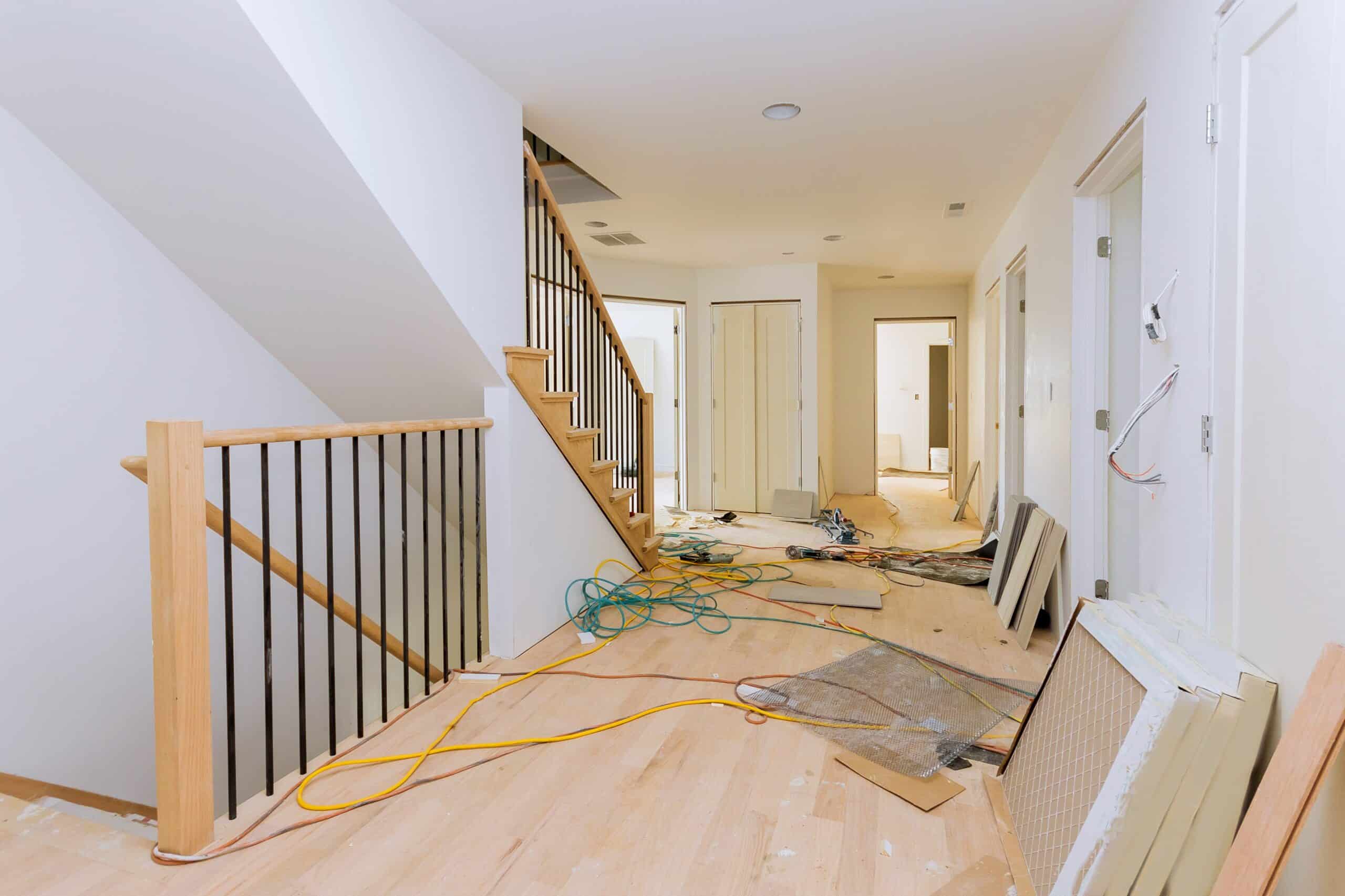
It’s tempting, we get it.
You just want to finish the basement, swap a few walls, maybe add a bathroom, and you do not want to wait around while paperwork crawls through the system. Someone tells you, “Permits are optional,” or “Nobody pulls permits for this stuff,” and suddenly going no permit feels like a normal shortcut.
In Toronto, that shortcut can get expensive. And not in a vague, scare tactic way. In a very real, very paperwork and fines and ripped out drywall kind of way.
So let’s talk about it plainly. What actually needs a permit in Toronto, what happens when you skip it, and what you’re risking beyond just a slap on the wrist.
First, what a permit really is (and what it is not)
A building permit is basically the City saying, “Show us the plan. We agree it meets minimum code. Now you can build it, and we will inspect it.”
It is not the City guaranteeing perfect craftsmanship. It is not a fancy gold star. It is a legal requirement for a lot of renovation work, and it creates a paper trail that matters later, especially when you sell or insure the property.
Also, permits are not only for huge additions. Plenty of normal, everyday renos trigger permits.
Common Toronto renovation work that usually needs a permit
Not an exhaustive list, but these are the big ones that catch people off guard:
You typically need a building permit if you are:
- Removing or adding load bearing walls, beams, posts, or changing structural framing
- Finishing a basement if it includes new rooms, new plumbing, or changes to layout that affect egress or fire separation
- Creating a legal secondary suite, or doing work that could be interpreted as building one
- Building an addition, dormer, or any new floor area
- Changing window or door openings in exterior walls (size, location, lintels, etc.)
- Underpinning, benching, or doing major foundation work
- Building new decks above certain heights, or with structural complexity
- Doing significant changes that affect life safety systems
You may also need separate permits for:
- Plumbing (new drains, new fixtures, new water lines in many cases)
- HVAC changes
- Electrical work (this is often through ESA, not the City)
And yes, there are smaller jobs that do not require permits. Painting, flooring, kitchen cabinets, like for like swaps, minor repairs. The catch is that homeowners often start with “minor” and it quietly turns into structural and plumbing changes halfway through demolition.
That is where the trouble starts.
What happens if you renovate without a permit
Here’s the part most people do not hear from the “permits are optional” crowd.
1) Stop work orders can freeze your project instantly
If the City finds out, an inspector can issue a Stop Work Order. That means work must halt. Trades stop showing up. Your timeline falls apart. Your place might be half open, half demolished, and you are stuck.
And no, it is not only triggered by inspectors randomly driving by. It can come from:
- A neighbour complaint (noise, bins, dust, parking, you name it)
- A disgruntled contractor or subcontractor
- An issue discovered during a separate City visit
- A future buyer asking questions and pulling records
2) You can be forced to open up finished work
This is the brutal one.
If you did work without inspections, the City may require you to expose it so they can verify it meets code. That can mean cutting open walls, removing ceilings, pulling up floors, or uncovering plumbing.
So you pay once to build it, then pay again to undo it, then pay again to rebuild it properly.
3) Fines, orders, and legal costs are real
Toronto can issue orders to comply, and there can be fines depending on the situation. Even if the fine is not the biggest number in the world, the real cost is usually the delay, rework, and professional fees to fix it.
4) Your insurance can become a problem
If there is a fire, flood, or major claim, and the insurer finds unpermitted work that contributed to the loss, you can end up in a messy fight. Sometimes it is denial of parts of the claim, sometimes it is a premium issue, sometimes it is a cancellation. It depends. But “unpermitted” is not a word you want attached to a loss.
The myth of “Just get a permit later”
Retroactive permits can be possible sometimes, but they are not a magic eraser.
If the work is already covered up, you may be required to uncover it. If it does not meet current code, you may need upgrades. If drawings were never done properly, you are paying for as built drawings, engineering, and the headache of proving what is behind the drywall.
Basically, it can turn into the most expensive version of a permit.
So what’s the smarter approach?
Do two things:
- Get clear on scope before you start demo. If you are touching structure, plumbing layouts, creating bedrooms, adding bathrooms, changing exits, or doing basement work that looks like a suite, assume permits are on the table.
- Work with a renovation company that treats permits as part of the process, not an annoying extra. The right team plans for timelines, inspections, and documentation from day one. It is calmer. It is cleaner. It protects you later.
If you want help figuring out whether your Toronto renovation needs permits, and what the process would actually look like for your specific scope, Reno Rocket can walk you through it as part of an estimate and planning conversation. You can start here: renorocket.ca.
FAQs (Frequently Asked Questions)
What is a building permit and why is it important for renovations in Toronto?
A building permit in Toronto is the City’s approval that your renovation plans meet minimum code requirements. It allows you to legally build and ensures inspections occur. It is a legal requirement for many renovations, creates an important paper trail for selling or insuring your property, and helps avoid costly fines or forced rework.
What are the risks of renovating without obtaining the necessary permits in Toronto?
Renovating without permits can lead to Stop Work Orders halting your project immediately, being forced to open up finished work for inspection (which means costly demolition and rebuilding), fines and legal costs, insurance complications including claim denials or cancellations, and difficulties when selling your home such as price reductions or failed deals due to missing permits.
Can I get a building permit after completing unpermitted work in Toronto?
Retroactive permits may be possible but are not a simple fix. You might have to uncover finished work for inspections, upgrade to current codes if needed, pay for as-built drawings and engineering reports, and face higher costs overall. Retroactive permitting can become the most expensive way to comply with regulations.
What is the recommended approach before starting renovation projects in Toronto to avoid permit issues?
The smarter approach is to get clear on the full scope of your project before beginning demolition. Understand which parts require permits and obtain them upfront. This prevents costly delays, fines, insurance problems, and complications when selling your home later.