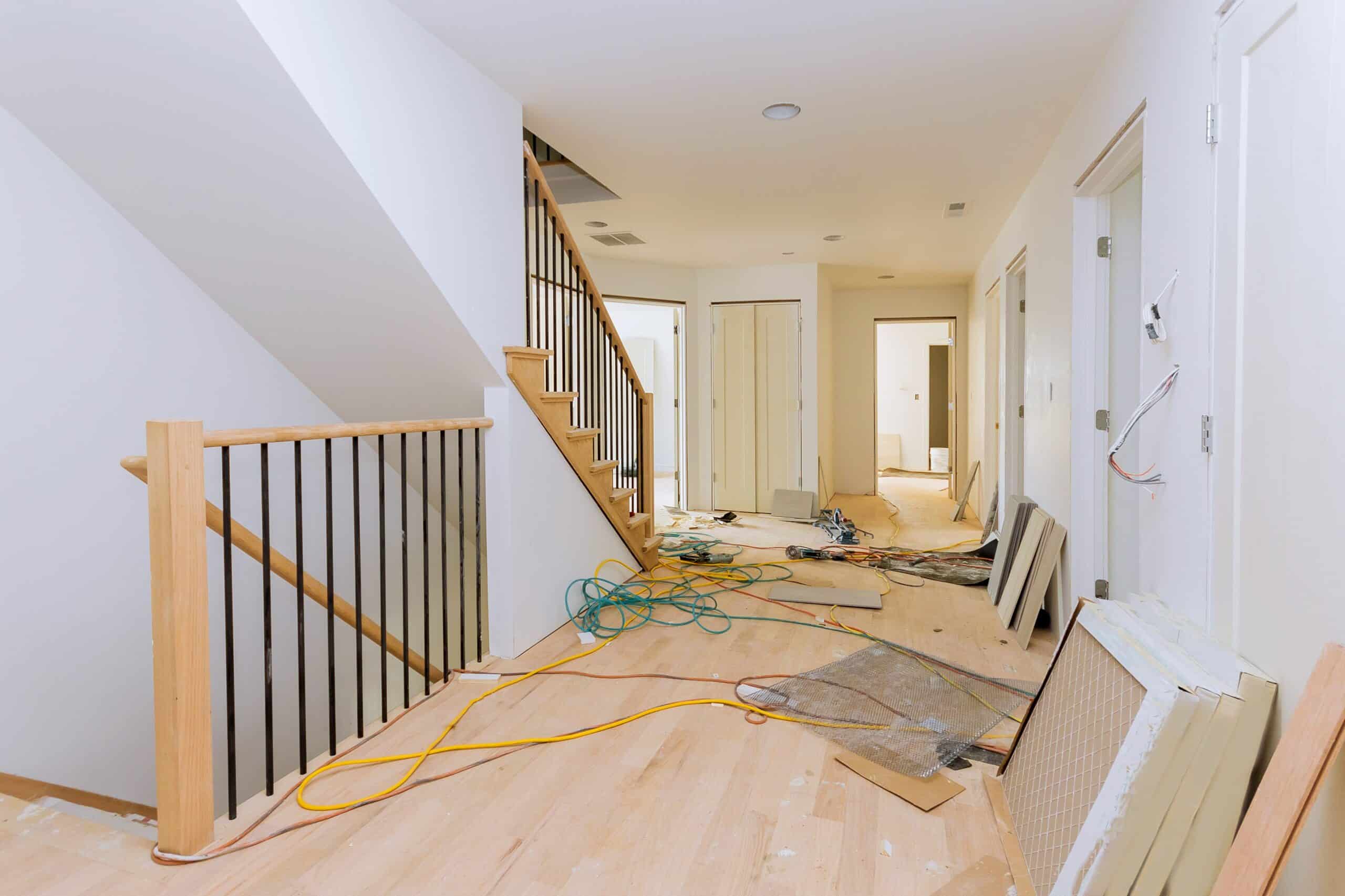
Condo renovations in Toronto look simple on paper.
New floors, fresh paint, maybe a slick kitchen. You book trades, you order materials, you think, cool, four to six weeks and we are done.
And then the condo rules show up.
Not the big obvious ones like “be respectful” either. I mean the tiny, admin-heavy stuff that can quietly wreck your schedule. Permits. Elevator bookings. Insurance certificates. Work hour limits. Paperwork your building manager wants in a specific format, uploaded to a portal that only works on Tuesdays. That kind of thing.
So yeah. If your condo reno timeline keeps slipping, a lot of the time it is not your contractor being slow. It is the rules.
Here are the main ones that kill timelines in Toronto condos, and what to do about them.

1. Renovation approval is not automatic, even for basic work
Many Toronto condo boards require an alteration agreement or renovation package approval for things you would assume are minor.
Examples that often trigger approval:
- Replacing flooring (especially anything hard surface)
- Moving plumbing fixtures, even slightly
- Electrical changes, pot lights, adding circuits
- Removing bulkheads or changing ceilings
- Anything affecting fire separation or sprinklers
The timeline killer here is the review cycle. Some buildings turn approvals around in a few business days. Others meet monthly. Some request revisions. Some want engineer letters for stuff that is honestly pretty normal.
What to do: before you finalize your schedule, ask property management for the full renovation package and their typical approval time. Not best case. Typical.
2. Work hour restrictions stretch everything out
A house reno can run longer days. A condo reno usually cannot.
A lot of Toronto condos allow work only:
- Monday to Friday, limited daytime hours
- Sometimes Saturday mornings only
- Often no Sundays, no holidays
- Sometimes no noisy work after a certain time, even if “work” is allowed
If you are used to the idea that trades can stack or do overtime to catch up, condos make that hard. A one week delay can become two or three because you cannot just throw extra hours at it.
What to do: build the schedule around the building’s allowed hours from day one. And assume you will lose time to elevator waits, loading rules, and security check ins.
3. Elevator booking and loading rules are a hidden bottleneck
This one is brutal.
You cannot just show up with materials. Most buildings require you to book the service elevator. Some only give you one or two slots per day. Some charge deposits. Some require wall padding and floor protection. Some restrict large deliveries to certain hours.
Now picture this with flooring, cabinets, tile, vanities, appliances. Miss one elevator slot and your crew might be standing around for half a day.
What to do: plan deliveries early, book elevators for them, and coordinate them tightly. If your contractor shrugs this off, that is a problem.
4. Insurance requirements can stall your start date
Many condos require proof of insurance before any work begins. Not just “we have insurance” either. They often want:
- Specific liability coverage amounts (commonly $2M or $5M)
- The condo corporation listed as additional insured
- A certificate issued with exact legal naming
- Sometimes WSIB or equivalent proof, depending on the building
If the certificate is missing one word, some buildings reject it. Then you wait for the broker. Then you resubmit. Then someone goes on vacation.
What to do: request the building’s insurance requirements in writing and send them to your contractor early. Like, before you pick finishes.
5. Silence rules and neighbour complaint procedures are real
Some condos enforce noise bylaws aggressively. If multiple complaints come in, property management can issue stop work orders. Even if your crew is technically within allowed hours.
Also, dust control matters more than you think. Hallway mess, smell from adhesives, debris in elevators. It adds up fast, and suddenly you are in a back and forth with management instead of building.
What to do: make sure your contractor has a condo specific containment plan. Floor protection. Negative air if needed. Daily cleanup. Clear communication with neighbours can help too.
6. Plumbing and electrical changes can trigger extra sign offs
Even if you are not moving walls, condos can get touchy about anything that touches common elements.
Common element issues include:
- Plumbing stacks
- In slab radiant heating (in some buildings)
- Sprinkler lines
- Sound mats and underlay requirements
- Electrical risers, panels, metering rooms
Sometimes you need building approved trades. Sometimes you need inspections. Sometimes you need an engineer. And those are all schedule items, not footnotes.
What to do: identify early what is inside your unit vs what the condo considers a common element. The line is not always intuitive.
7. Permits, yes, even in condos
Not every condo reno needs a City of Toronto permit. But plenty do.
If you are:
- Removing walls or altering structure
- Changing plumbing locations significantly
- Doing major electrical rework
- Modifying HVAC beyond simple swaps
You might need permits and inspections. And those can introduce waiting periods you cannot “work around” legally.
What to do: ask your contractor point blank what permits apply, and what the inspection sequence looks like. If the answer is vague, push harder.
How to not get wrecked by this stuff
The simplest way to protect your timeline is to treat condo rules like part of the build, not admin fluff.
A realistic condo reno plan in Toronto includes:
- Time for building approval
- Time for insurance and paperwork
- Service elevator bookings mapped to deliveries
- Work hours baked into the schedule
- Extra buffer for inspections or condo sign offs
If you want help building a timeline that actually survives condo rules, that is the kind of thing we do at Reno Rocket. We handle condo renovations across Toronto and the GTA, and the boring parts are honestly where projects either stay smooth or go sideways. If you are planning a condo reno and want a clear plan before you start ordering stuff, you can request an estimate through the site.
Because the reno itself is usually the easy part.
It is the rules around it that can quietly steal your weeks.
FAQs (Frequently Asked Questions)
Why do condo renovations in Toronto often take longer than expected?
Condo renovations in Toronto can take longer than expected due to various condo rules and administrative requirements such as renovation approvals, work hour restrictions, elevator booking limitations, insurance certificate requirements, and strict neighbour complaint procedures. These factors can quietly disrupt your schedule even if your contractor is working efficiently.
What types of condo renovations typically require approval from the building management in Toronto?
In Toronto condos, renovation approvals are often required for work that might seem minor, including replacing flooring (especially hard surfaces), moving plumbing fixtures, electrical changes like adding pot lights or circuits, removing bulkheads or changing ceilings, and any modifications affecting fire separation or sprinklers. Approval timelines vary by building and can significantly impact your renovation schedule.
How do work hour restrictions in Toronto condos affect renovation timelines?
Most Toronto condos restrict work to weekdays during limited daytime hours, sometimes allowing only Saturday mornings and prohibiting noisy work after certain times or on Sundays and holidays. These restrictions prevent contractors from stacking hours or doing overtime to catch up, which means delays can’t simply be made up by working longer days, extending the overall renovation timeline.
Why is booking the service elevator important during a condo renovation in Toronto?
Booking the service elevator is crucial because most Toronto condos require scheduled use for material deliveries and worker access. Elevator slots are often limited to one or two per day, may require deposits or protective measures like wall padding, and have time restrictions. Missing an elevator booking can cause significant delays as crews may have to wait for the next available slot.